


 Top-Rated On Tripadvisor
 Trips for All Budgets
 Experience the real Morocco with expert guides




Morocco dunes tour from Marrakech 7 days – overview:
Touring the Moroccan Sahara Desert in two different areas as well as the High Atlas Mountains in two different areas are the distinctive features of this Morocco dunes tour from Marrakech.
You will cross the High Atlas over the Tizi-n-Test pass towards Taroudant, and at the end of the trip over the Tizi-n-Tichka pass with its never-ending stunning panoramas.
Taroudant’s massive and intact ramparts wait to be toured and photographed. In Taliouine you can learn about saffron agriculture in the town’s museum, and in Taznakht learn about the ancient craft of Berber carpet-making.
The Sahara Desert in the graceful Chegaga offers a luxury camp amidst expansive dunes whilst the Chebbi dunes are redder and higher. In both places, the sunsets and sunrises are breathtaking followed by a traditional dinner, Berber music and drumming round a camp fire at your luxury camp.
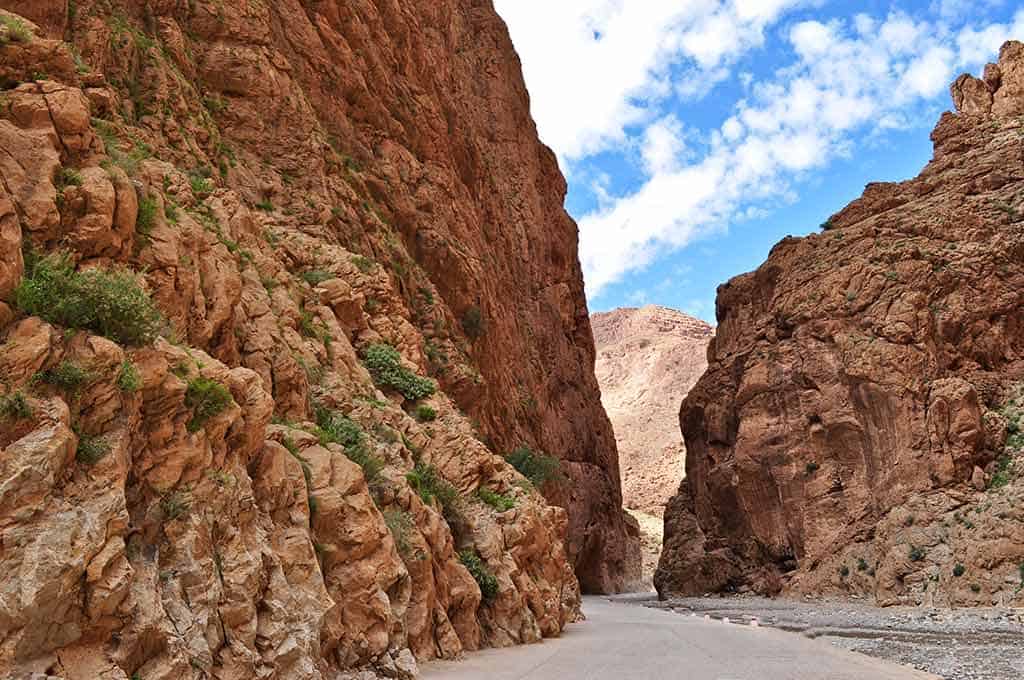
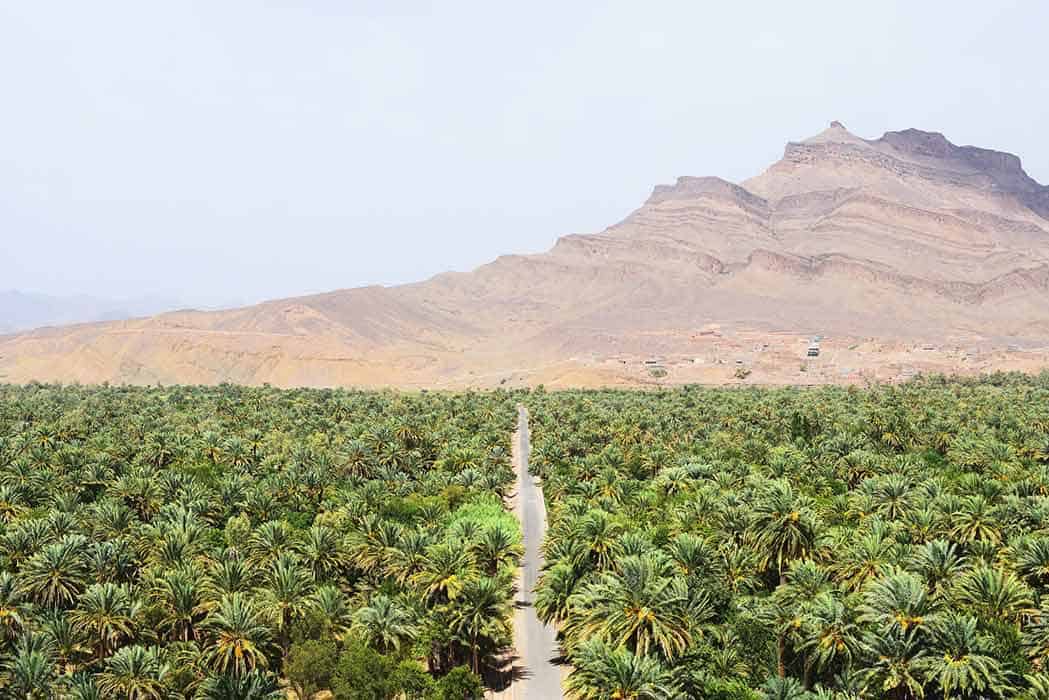
The Dra’a Valley offers views of Berber oasis life among the amazing palm groves. The Toudgha and Dades Gorges are excellent examples of the amazing geological formations of the south. You can sip a glass of tea with nomads in their caves, sample the Damascene rose organic cosmetic products in Kelaa M’gouna, and stroll through the Skoura Oasis palm groves.
And the finishing touches are stopping by the Atlas Studios to learn about famous Hollywood film sets, visiting the UNESCO World Heritage Site of Kasbah Aït ben Haddou, and the former palatial residence, Kasbah Telouet.
Finally you cross the High Atlas Mountains and arrive back in Marrakech at the end of the best of our Morocco desert tours.
Sahara desert tour: Erg Chebbi and Erg Chegaga 7 days – highlights:
- Wandering round and photographing Taroudant’s massive ramparts
- Visiting Taliouine’s government saffron museum about saffron cultivation
- Observing the ancient craft of Berber rug making in Taznakht
- Searching for fossils at the edge of the dried-up Lake Iriqi
- Taking a camel ride in the dunes to watch a spectacular sunset
- Spending the night in a private, comfortable luxury tent
- Visiting the Toudgha and Dades Gorges, and the rose cosmetic co-operatives
- Stopping at Kasbahs Amredhil, Telouet, andKasbah Aït ben Haddou
What is included in this Morocco dunes tour from Marrakech:
- Transport in a private air-conditioned vehicle; 4×4 Toyota Prado TX and fuel
- Pick-up from and drop-off at your riad or hotel in Marrakech
- Experienced local English/French/Spanish/Italian-speaking Berber and nomad driver/guide
- Accommodation in air-conditioned rooms/suites with private bathroom
- Overnight in a luxury desert camp in the Erg Chegaga desert and in Erg Chebbi in private & comfortable tents
- All meals: breakfast, lunch, dinner – with vegetarian and vegan options available
- A camel ride with a guide. And if you wish to do some sandboarding, just speak to the camp staff!
- The option to go to and return from the camp by 4×4 in Chebbi
- Luggage service to the camp and all accommodation
- Berber drumming and music
- Free time to explore the sites such as Aït Ben Haddou, for walks, photos, and tea/coffee breaks
- The opportunity to ask the driver to stop when and where you wish
- Entrance fees and local guide
- Tea, coffee and mineral water in the desert
What is not included:
- Drinks
- Tips
- Extras
Good to know about this Moroccan Sahara Desert tour:
- This Marrakech desert tour can be customised to be more personal and special
- Activities such as a full day’s trekking in the Erg Chebbi or Erg Chegaga dunes can be added to this tour
- You can always consult your driver about skipping some spots to spend more time elsewhere
- Here is a downloadable packing list to help plan for your Moroccan desert tour
- We require a 30% deposit of the total price to book the car, while the balance is payable to us in the office in Ouarzazate
- We accept payment through PayPal, bank transfers in Europe, by credit card, or cash (USD, Euro, GBP or MAD)
- We offer a 25% discount for children under 12, and one child under 3 per family travels free of charge
- These prices are liable to fluctuation according to the current exchange rate
- Our prices can be subject to an increase over the busy season, and, in particular, the Christmas and New Year’s Eve period
- This tour is designed to take you to both the Merzouga and Erg Chegaga deserts. However, the Erg Chegaga dunes can experience extremely high temperatures between June and September, and so most of the camps here close down during this period. In such cases, we might well need to adjust the itinerary by extending your stay in Merzouga, allowing you to experience the Sahara more deeply. We could also include alternative activities or destinations that provide unique cultural and natural experiences.
Prices per person
| No Days | Meals |
|---|---|
| All-inclusive | |
| Total price | |
| 2 Persons |
|---|
| 925 € * |
| 1850 € * |
| 3 Persons |
|---|
| 895 € * |
| 2685 € * |
| 4 Persons |
|---|
| 865 € * |
| 3460 € * |
| 5 Persons |
|---|
| 825 € * |
| 4125 € * |
| 6 Persons |
|---|
| 825 € * |
| 4950 € * |
Morocco Dunes Tour from Marrakech 7 days – itinerary:
1st day: Marrakech – Taroudant
Departing at 8.30 from your hotel or riad into the High Atlas Mountains, you take the 203 across the High Atlas passing through Tahanoute, Asni and Ouirgane and the Ouirgane lake, climbing ever higher whilst the traffic decreases in volume.
You cross the famous Tizi-n-Test pass, 2092m. The magnificent, brick Tinmal mosque at the top of the pass was almost completely destroyed during the severe September 2023 earthquake and sadly can no longer be visited. Lunch will be at a mountain restaurant with superb views.
Descending the other side following the Siroua Mountains, you reach the River Souss plain and the town of Taroudant, known as “the little Marrakech”. It is spectacular for its massive ramparts and beautiful medina. It is here that you spend the night in a beautiful riad.
2nd day: Taroudant – Chegaga Dunes
After breakfast, you retrace your steps a while and come to Taliouine, which is the heart of the saffron growing area in Morocco. Here you can visit the small but interesting, government-run saffron museum. The scent of saffron inside is most enticing.
You cross the two passes of Tizi-n-Tighatine and Tizi-n-Ikhsane before reaching Kourkouda and Taznakht. This small town is famous for its Berber gelims and carpets and it is from here that we continue south towards the desert. As you approach the desert, the landscape becomes flatter and more barren.
At the end of the paved road in Foum Zguid, you drive into the Sahara across the now dried-up Lake Iriqui. In the middle of this lake, you can search for fossils. The track takes us through stony desert, the “hammada”, and becomes increasingly sandy.
The small dunes need to be negotiated carefully as the ever-present breeze and wind change their shape constantly. You will appreciate the skill and experience of your driver, whose built-in GPS knowledge takes you safely through an area seemingly lacking in landmarks to guide you. Once at the camp, you take a camel ride and can clamber up to the top of the high dunes to watch the sunset.
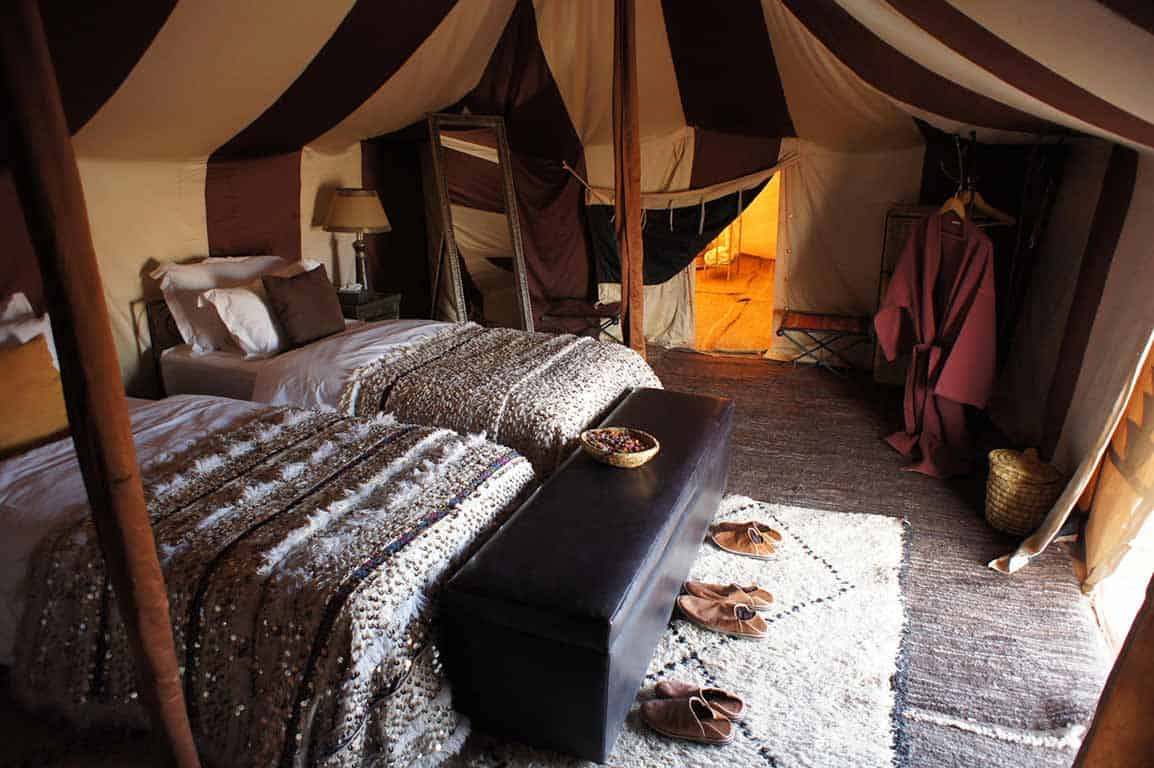
You have dinner and spend the night at a luxury camp with private bathroom, king-sized beds, beautiful Moroccan furnishings and lamps tastefully arranged to enhance your enjoyment of the silence and beauty of the dunes.
3rd day: Chegaga Dunes – Zagora
After breakfast in the bivouac, the itinerary takes you across another 60 km of the desert road via the Sacred Oasis to arrive in M’hamid. On the far side of the often dry Dra’a river, the old village is typical of desert dwellings with adobe buildings and covered streets to keep out the searing heat of the height of summer. Wandering through them gives a real sense of local Saharan life replicated in other countries on the edge of this enormous desert.
Later we take the road north again towards Zagora, the largest town in the entire area. En route you are welcome to stop at the local potteries in Tamgroute, where the clay is worked differently from what is frequently known in Western potteries. The Qoranic school and library here are worth stopping off for if you would like to see the tiniest and most accurate Arabic scripts in volume after volume ion display.
Once you reach Zagora you can settle into a local riad to spend the night there.
4th day: Zagora – Merzouga
After breakfast, you continue northwards along the Dra’a River, past all the Kasbahs and local gardens, Berber villages and palm groves.
Leaving the Dra’a behind, you cross the river to turn east at Tansikht. The road from here all the way to the desert lies between two mountain ranges. The peaks on your right rise up suddenly from the ground, steep and stark, and frequently offer an unusual moon-like landscape. We stop for lunch at a riad in N’Qob overlooking these mountains.
Later we pass through Tazzarine, sign-posted in the film “Babel” and a series of other Berber villages as the wide road seems to lead on forever. You reach the edge of the desert at Merzouga, where you will take your camels to ride out to the luxury camp. Here mint tea and biscuits are prepared as a desert welcome.
You have dinner and spend the night at a luxury camp with private bathroom, king-sized beds, beautiful Moroccan furnishings and lamps tastefully arranged to enhance your enjoyment of the silence and beauty of the dunes.
5th day: Merzouga – Dades Gorges
If you wake up early enough, you can watch the spectacle of the sunrise, when the colour of the dunes and the play of shadows are an awesome sight. After breakfast at the camp, we leave for Tinghir and the Toudgha gorges.
On the way, you will notice the mounds of earth along the side of the road. These are the heads of the water channels – “khettarat” – formed by digging out the sol below. Descending into these disused channels, you can appreciate the architecture and genius behind this form of irrigation which prevents evaporation in the summer heat. The channels start at a higher gradient at one end until they finally emerge at the surface of the soil where they are fed into the fields. You can find out more about these channels by reading Andrew Wilson’s work.
In the Toudgha gorge and valley, you can stroll walk through the village gardens and fields before you reach the gorge. Later the itinerary continues to the Dades Valley. The area round the Dades Gorges lay at the bottom of the sea millions of years ago. Huge quantities of sediment were slowly deposited around giant coral reefs, which, over the millennia, have become compacted into a variety of sedimentary rocks, mostly sandstone and limestone. The gradual movement of the earth’s crust caused the region to rise above the sea, now forming the Atlas Mountains. The night is spent in a hotel or kasbah.
6th day: Dades Gorges – Ouarzazate
After breakfast, you will visit the Dades gorges and can take a short walk through them. The trip to Ouarzazate continues along the Boutarar piste to visit Berber nomads in their caves and drink a glass of tea. You will quickly realise just how hard the existence is for these nomads in this very dry landscape, trying to feed their goats and bring up their children.
From here, you continue through the Valley of the Roses, famous for its Rose Festival in May. Cosmetics and toiletry items are produced en masse and are much valued throughout the country. In Skoura it is definitely worth visiting Kasbah Amredhil. It is made entirely of adobe, an excellent building material; warm in winter and cool in summer, thanks to the thickness of the walls. 45 minutes later you reach Ouarzazate, where you spend the night in a guest house.
7th day: Ouarzazate – Marrakech
After breakfast, the route goes on to Kasbah Ait Ben Haddou, one of Morocco’s seven World Heritage sites, and the backdrop for many Hollywood blockbusters. It is the most famous Kasbah in Morocco and some of the buildings date back to the 17th century. From here you drive along the beautiful and awe-inspiring Ounila Valley, full of bends in the roads and surprises at the hues of the rock and soil, Berber villages and gardens, as well as smaller Kasbahs.
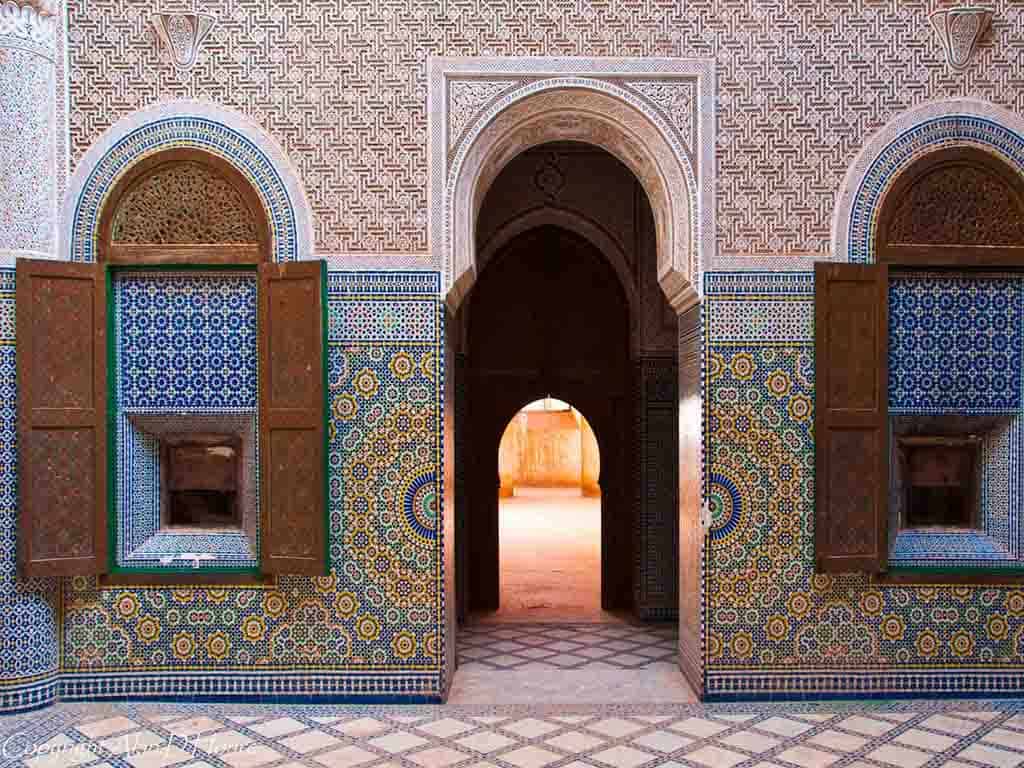
We continue to Kasbah Telouet set right in the midst of the mountains and not so long ago, the seat of the last Pasha of Marrakech, El Glaoui. It was from here that the Pasha controlled the comings and goings across the highest pass in Africa, Tizi-n-Tichka as well as much of the south round Ouarzazate. Each of the three main buildings now stands in ruins, exposed to the wind and the rain after the property was confiscated from the last Pasha for plotting against the King.
Unfortunately, the whole Kasbah is now closed due to the damage caused by the earthquake that struck Morocco in September 2023. Nevertheless, it is still worth visiting the exterior with a local guide to discover its rich history.
At the end of the afternoon, having crossed the Tichka pass, we arrive in Marrakech. Your driver escorts you to your riad bring your Morocco dunes tour from Marrakech 7 days to an end!
Map of Morocco dunes tour from Marrakech 7 days:
